
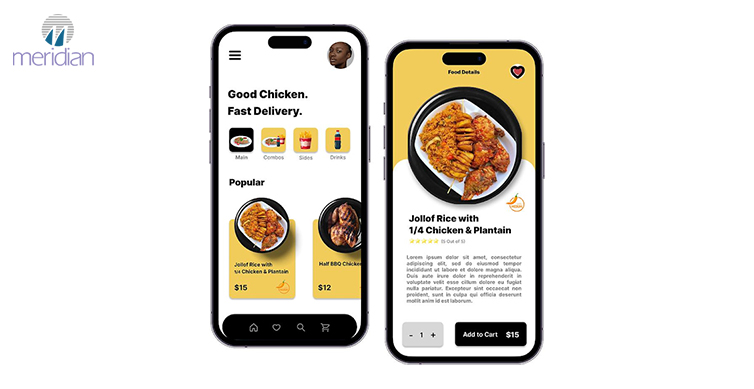
The restaurant industry in Dubai has rapidly evolved with the growing demand for digital convenience, fast delivery services, and seamless customer experiences. Today, customers expect restaurants to provide easy online ordering, real-time order tracking, secure payment methods, and mobile-friendly experiences.
This shift has made food ordering app development an essential investment for restaurants looking to improve customer engagement, increase direct orders, and streamline daily operations.
Whether it is a fine dining restaurant, cafe, cloud kitchen, quick service restaurant, or multi-branch food business, having a dedicated food ordering application can help businesses build stronger customer relationships while reducing dependence on third-party delivery platforms.
Modern restaurant businesses are now moving toward customized ordering platforms that provide greater control over branding, customer data, menu management, and delivery operations.
What Is Food Ordering App Development?
Food ordering app development is the process of creating a digital platform that allows customers to browse menus, place food orders, make payments, and track deliveries through mobile applications or web-based systems.
These applications are designed to simplify restaurant operations while improving customer convenience and overall dining experiences.
A complete restaurant ordering app may include:
- Customer mobile application
- Restaurant admin dashboard
- Kitchen order management system
- Delivery management module
- Payment gateway integration
- Loyalty and rewards system
- POS integration
- Analytics and reporting features
Food ordering applications can support:
- dine-in ordering,
- takeaway,
- Home delivery,
- QR code ordering,
- Scheduled orders,
- Subscription-based meal services.
Challenges Restaurants Face Without Digital Ordering Systems

Restaurants that rely only on traditional ordering methods may face several operational and customer service challenges in today’s fast-paced digital environment. As customer expectations continue evolving, businesses without digital ordering solutions can struggle to maintain efficiency, visibility, and long-term customer engagement.
Limited Customer Convenience
Modern customers prefer fast and convenient ordering experiences through mobile apps and online platforms. Restaurants without digital ordering systems may lose customers who expect quick online access, contactless payments, and real-time order tracking.
Dependence on Third-Party Platforms
Many restaurants rely heavily on third-party delivery marketplaces, which often involve:
- High commission charges
- Limited branding opportunities
- Restricted customer ownership
This can reduce long-term profitability and customer retention.
Manual Order Management Issues
Phone-based or manual ordering processes can increase the risk of:
- Incorrect orders
- Delayed communication
- Billing errors
- Operational inefficiencies
Digital ordering systems help automate these workflows and improve order accuracy.
Reduced Customer Engagement
Without a dedicated ordering platform, restaurants may find it difficult to:
- Send personalized offers
- Manage loyalty programs
- Track customer preferences
- Encourage repeat orders
This can impact long-term customer relationships.
Limited Business Insights and Analytics
Restaurants without digital systems often lack access to detailed business insights such as:
- Customer ordering behavior
- Sales trends
- Popular menu items
- Delivery performance
Analytics play an important role in improving operational and marketing decisions.
Difficulty Managing High Order Volumes
During peak hours, restaurants may struggle to manage large volumes of orders manually. This can affect:
- Service speed
- Customer satisfaction
- Delivery coordination
Automated ordering systems help streamline restaurant operations and improve workflow efficiency.
Competitive Disadvantage
As more restaurants adopt digital ordering technologies, businesses without online ordering capabilities may find it difficult to compete in an increasingly digital food service market.
Food ordering applications help restaurants improve customer experiences, strengthen brand visibility, and support scalable business growth.
Why Food Ordering Apps Are Important for Restaurants in Dubai?
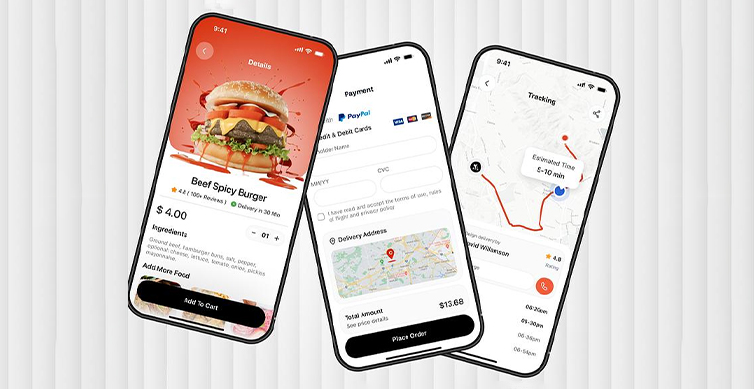
Dubai’s restaurant market is highly competitive and digitally driven. Customers often prefer restaurants that provide fast and convenient online ordering experiences.
Restaurants that rely only on phone calls or third-party platforms may face challenges such as:
- High commission fees,
- Delayed order processing,
- Limited customer ownership,
- Reduced brand visibility.
A customized food ordering app helps businesses maintain direct customer relationships while improving operational efficiency.
Key Reasons Restaurants Need Food Ordering Apps
Increased Direct Orders
Restaurants can receive orders directly through their own platform instead of relying entirely on external delivery marketplaces.
Better Customer Experience
Mobile ordering provides convenience, faster checkout, and personalized recommendations.
Stronger Brand Identity
Restaurants can promote their own branding, offers, loyalty programs, and customer engagement strategies.
Improved Operational Efficiency
Automated order management reduces manual errors and simplifies kitchen coordination.
Customer Data Ownership
Businesses gain valuable customer insights that help improve marketing and retention strategies.
Key Features of a Modern Food Ordering App
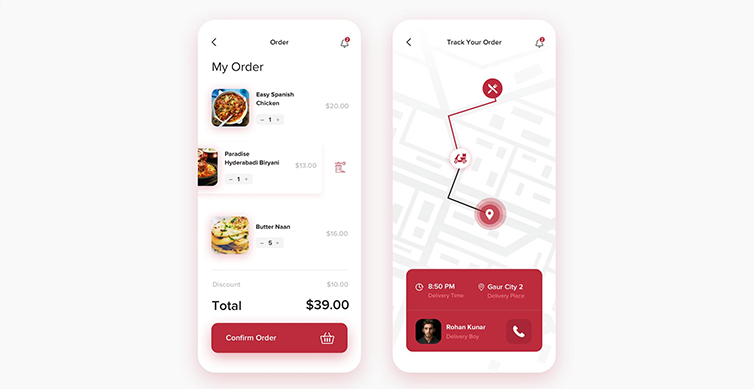
A successful food ordering app should combine user-friendly design with powerful restaurant management capabilities.
User Registration and Profile Management
Customers should be able to:
- Create accounts
- Save addresses
- Manage preferences
- Track previous orders
This improves convenience and repeat ordering.
Real-Time Menu Management
Restaurants should have the ability to:
- Update menus
- Modify pricing
- Manage item availability
- Add promotional offers instantly
Secure Online Payments
Payment gateway integration allows customers to pay using:
- Credit cards
- Debit cards
- Digital wallets
- Online banking
- Cash on delivery options
Secure payment systems help improve customer trust.
Live Order Tracking
Real-time tracking improves transparency by allowing customers to monitor:
- Order preparation
- Dispatch
- Delivery status
Push Notifications
Restaurants can send:
- Promotional offers
- Order updates
- Loyalty rewards
- Seasonal campaigns directly to customers
Loyalty Programs and Rewards
Reward systems encourage repeat purchases and improve long-term customer retention.
Multi-Branch Management
For restaurant chains, centralized management helps control:
- Branches
- Menus
- Inventory
- Staff access
- Reporting
POS Integration
Integration with restaurant POS systems helps synchronize:
- Orders
- Billing
- Inventory
- Kitchen management
- Reporting
This reduces manual work and operational delays.
Who Can Benefit From Food Ordering Apps?
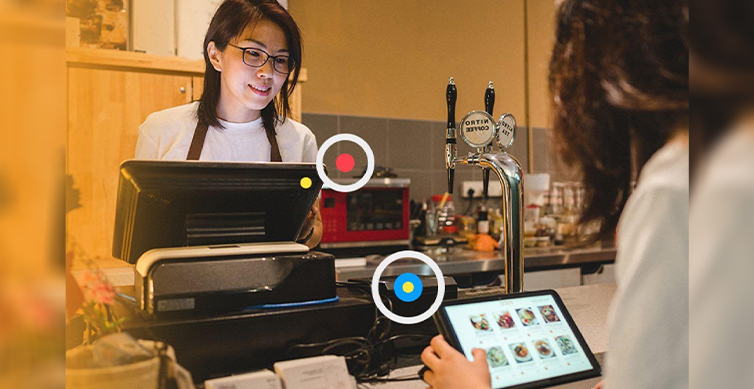
Food ordering applications are no longer limited to large restaurant chains or international food brands. Today, businesses of different sizes across the food service industry are adopting digital ordering solutions to improve customer convenience, simplify operations, and increase direct online sales.
Restaurants and Fine Dining Businesses
Restaurants can use food ordering applications to manage online orders, reservations, takeaway requests, and delivery operations while improving customer engagement and brand visibility.
Cafes and Coffee Shops
Cafes and coffee shops can offer faster mobile ordering, scheduled pickups, loyalty rewards, and personalized promotions to improve customer experiences and repeat orders.
Quick Service Restaurants (QSRs)
Fast-food and quick service restaurants benefit from streamlined order processing, automated kitchen workflows, and faster customer service through digital ordering platforms.
Cloud Kitchens
Cloud kitchens rely heavily on online ordering systems to manage delivery-only operations efficiently. Food ordering apps help centralize orders, optimize delivery coordination, and improve operational scalability.
Multi-Branch Restaurant Chains
Restaurant chains can use centralized food ordering systems to manage:
- Multiple locations,
- Menus,
- Inventory,
- Staff access,
- Reporting from a single platform.
Bakeries and Dessert Shops
Bakeries can simplify custom orders, scheduled deliveries, seasonal promotions, and online payment processing through dedicated ordering applications.
Food Trucks and Small Food Businesses
Small food businesses and food trucks can improve customer reach, accept online orders, and build direct customer relationships without relying entirely on third-party marketplaces.
Catering and Meal Subscription Businesses
Food ordering applications can also support:
- Catering requests,
- Recurring meal plans,
- Corporate food services,
- Subscription-based delivery models.
Digital ordering platforms provide businesses with greater operational flexibility while helping improve customer convenience and long-term business growth.
Benefits of Food Ordering App Development for Restaurants
Higher Revenue Opportunities
Restaurants can increase sales through:
- Direct online orders
- Upselling
- Combo offers
- Personalized promotions
- Subscription models
Reduced Dependency on Third-Party Platforms
Third-party food delivery applications often charge high commission fees. A dedicated ordering app allows restaurants to improve profit margins while maintaining customer ownership.
Faster Order Processing
Automated workflows reduce:
- Manual order entry
- Communication delays
- Operational errors
Enhanced Customer Retention
Features such as:
- Loyalty points
- Coupons
- Personalized offers
- Easy reordering
help encourage repeat business.
Better Marketing Opportunities
Restaurants can use customer data for:
- Targeted marketing
- Email campaigns
- SMS promotions
- Seasonal offers
Why Restaurants in Dubai Are Investing in Digital Ordering Solutions?
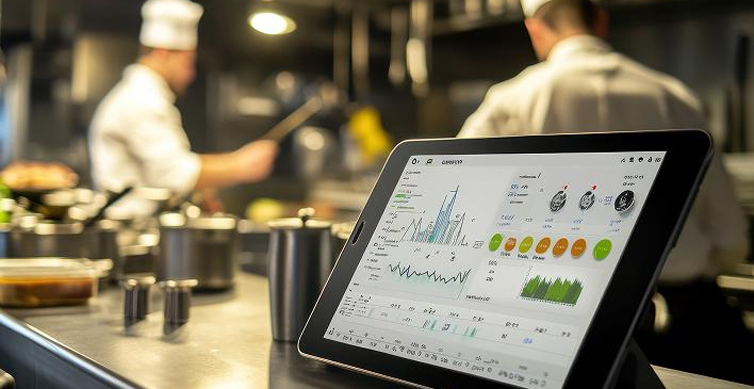
Dubai’s food industry continues to adopt digital transformation technologies to meet changing customer expectations.
Restaurants are now prioritizing:
- Faster ordering systems,
- Mobile accessibility,
- Customer personalization,
- Operational automation.
Businesses that invest in food ordering app development can improve customer convenience while creating long-term competitive advantages.
Restaurant-Owned Food Ordering Apps vs Third-Party Delivery Platforms
Restaurants today can choose between developing their own branded food ordering application or relying on third-party delivery marketplaces. While both models support online food ordering, they differ significantly in terms of branding control, customer ownership, operational flexibility, and long-term profitability.
Restaurant-owned food ordering apps provide businesses with greater control over customer experiences, pricing strategies, promotions, and operational workflows. In contrast, third-party delivery platforms mainly operate as shared marketplaces where restaurants compete alongside multiple brands.
The right solution often depends on a restaurant’s business goals, customer engagement strategy, and long-term growth plans.
| Feature | Restaurant-Owned Food Ordering Apps | Third-Party Delivery Platforms |
|---|---|---|
| Branding | Fully customized with restaurant branding, logo, and design | Limited branding within marketplace platform |
| Commission Charges | No or lower third-party commission fees | High commission charges on each order |
| Customer Ownership | Restaurants maintain direct customer relationships and customer data | Customer data is mainly controlled by the platform |
| Profitability | Better long-term profit margins through direct ordering | Reduced profit margins due to commission costs |
| Flexibility | Greater customization for menus, offers, loyalty programs, and workflows | Limited customization options |
| Analytics and Insights | Access to customer behavior, sales trends, and operational reports | Limited access to detailed customer analytics |
| Marketing Opportunities | Direct promotions, loyalty rewards, and personalized campaigns | Marketing controlled largely by the marketplace |
| Customer Retention | Easier to build long-term customer loyalty | Customers may switch easily between competitors on the platform |
For many restaurants in Dubai, a dedicated food ordering application can support stronger brand visibility, improved customer retention, and better operational control compared to relying entirely on third-party delivery platforms.
Types of Food Ordering Applications
Restaurant-Owned Ordering Apps
These are custom-branded applications developed specifically for individual restaurants or restaurant groups.
They provide:
- Complete branding control,
- Customer ownership,
- Flexible customization.
Aggregator Food Delivery Platforms
These platforms connect multiple restaurants within a single marketplace.
Examples include:
- Delivery marketplaces,
- Multi-vendor food apps,
- Food discovery platforms.
Cloud Kitchen Ordering Systems
Cloud kitchens use online ordering systems to manage delivery-only food businesses without dine-in operations.
Food Ordering App Development Process for Restaurants
Developing a successful food ordering application requires more than simply creating an online ordering platform. Restaurants need a scalable, secure, and user-friendly system that improves customer experiences while simplifying restaurant operations.
A structured food ordering app development process helps businesses build reliable applications that support online ordering, delivery management, restaurant automation, and long-term business growth.
Here is a step-by-step overview of how a modern food ordering app is developed for restaurant businesses.
Understanding Business Requirements and Market Needs
The first stage of food ordering app development involves analyzing the restaurant’s business model, operational workflow, customer expectations, and industry trends.
At this stage, businesses identify:
- Target audience,
- Ordering preferences,
- Delivery models,
- Restaurant operations,
- Customer pain points.
Researching competitor platforms and customer behavior also helps restaurants understand what features users expect from modern food ordering applications.
This planning stage is important for creating a solution that supports both customer convenience and operational efficiency.
Defining Features and Platform Requirements
Once the business goals are identified, the next step is deciding which features and platforms the application should support.
Restaurants may require:
- Android applications,
- iOS applications,
- Web ordering systems,
- Admin dashboards,
- Delivery management modules,
- POS integrations.
The feature selection process focuses on building a practical solution that aligns with restaurant operations and future scalability requirements.
Common features may include:
- Menu management,
- Online payments,
- Order tracking,
- Push notifications,
- Loyalty programs,
- Customer analytics.
UI/UX Design and Customer Experience Planning
The design stage focuses on creating a smooth and intuitive ordering experience for customers.
A user-friendly interface helps customers:
- Browse menus easily,
- Customize orders,
- Complete payments quickly,
- Track deliveries without confusion.
Restaurant admin panels and kitchen dashboards are also designed to improve operational workflow and simplify order handling.
A well-planned UI/UX design improves customer engagement and increases the chances of repeat orders.
Application Development and System Integration
After finalizing the design and functionality, the development phase begins.
Developers create:
- Frontend applications,
- Backend systems,
- APIs,
- Databases,
- Cloud-based infrastructure.
The application may also integrate with:
- Restaurant POS systems,
- Payment gateways,
- Inventory systems,
- Delivery management tools,
- CRM platforms,
- Customer loyalty systems.
Secure coding practices and scalable architecture are important during this stage to ensure long-term performance and data protection.
Testing and Performance Optimization
Before launch, the application undergoes detailed testing to ensure stability, security, and usability.
Testing helps identify:
- Technical bugs,
- Payment issues,
- Performance bottlenecks,
- User experience problems,
- Compatibility concerns.
Quality assurance teams evaluate:
- Mobile responsiveness,
- Order processing accuracy,
- App speed,
- Security standards,
- System performance under high traffic conditions.
This stage helps ensure customers receive a smooth and reliable ordering experience.
Application Deployment and Launch
Once testing is completed, the food ordering app is deployed to live environments.
This may include:
- Publishing mobile apps on app stores,
- Configuring cloud hosting,
- Connecting live payment gateways,
- Enabling restaurant management systems.
Restaurants can then begin accepting customer orders through their digital ordering platform.
Ongoing Maintenance and Feature Enhancements
Food ordering app development does not end after launch. Continuous monitoring and maintenance are important for maintaining performance and adapting to changing customer expectations.
Regular updates may include:
- Security improvements,
- Feature upgrades,
- Performance optimization,
- Integration enhancements.
Restaurants may also add advanced capabilities such as:
- AI-powered recommendations,
- QR code ordering,
- Multi-branch management,
- Customer loyalty automation,
- Advanced analytics.
Ongoing technical support helps ensure the application remains scalable, secure, and competitive in the evolving restaurant industry.
Why a Structured Development Process Matters
A well-planned food ordering app development process helps restaurants:
- Improve customer experiences,
- Reduce operational inefficiencies,
- Streamline order management,
- Support business scalability,
- Increase direct online sales.
For restaurants in Dubai and across the UAE, investing in professionally developed ordering solutions can support long-term digital transformation and customer engagement strategies.
Emerging Trends in Food Ordering App Development
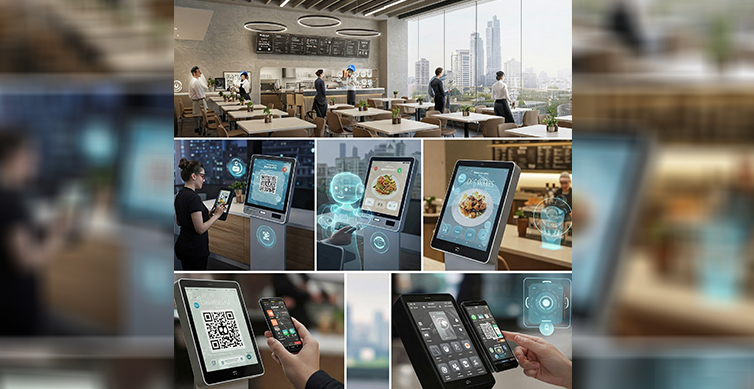
AI-Based Recommendations
Artificial intelligence can suggest menu items based on:
- Customer behavior,
- Order history,
- Preferences.
QR Code Ordering
Restaurants are increasingly using QR code ordering systems for contactless dining experiences.
Voice Search Integration
Voice-enabled ordering is becoming more popular among mobile users.
Smart Analytics
Advanced analytics help restaurants monitor:
- customer trends,
- sales performance,
- and operational efficiency.
Cloud-Based Restaurant Management
Cloud platforms improve scalability and multi-location management.
How Restronet Supports Restaurant Digital Transformation
Restronet by Meridian IT Solutions provides restaurant businesses with advanced digital ordering and restaurant management solutions designed to improve operational efficiency and customer engagement.
The platform supports:
- Online food ordering,
- POS integration,
- Restaurant management,
- Inventory control,
- Billing,
- Kitchen coordination,
- Customer management.
Restaurants can use integrated systems to simplify operations while delivering seamless customer experiences across multiple ordering channels.
Frequently Asked Questions
Frequently Asked Questions
Looking for Food Ordering App Development Solutions in Dubai?
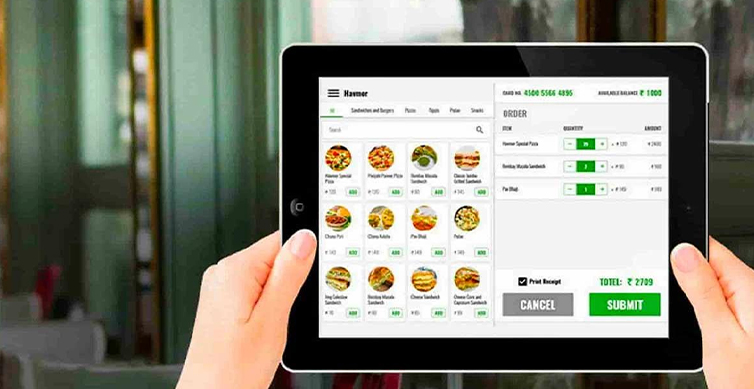
Food ordering app development has become an essential part of modern restaurant growth strategies. Restaurants in Dubai are increasingly adopting digital ordering platforms to improve customer convenience, optimize operations, and increase direct sales.
A well-designed food ordering application helps businesses strengthen brand visibility, reduce operational inefficiencies, improve customer retention, and create scalable restaurant management systems.
As customer expectations continue evolving, restaurants that invest in digital ordering technologies will be better positioned to compete in the growing food service industry.
Restronet by Meridian IT Solutions provides digital ordering and restaurant management solutions designed to support modern restaurant operations. From online food ordering and POS integration to inventory management and customer engagement, the platform helps restaurants improve operational efficiency and simplify order management across multiple channels.